Time:2025-10-16 14:15:23 Hit:101
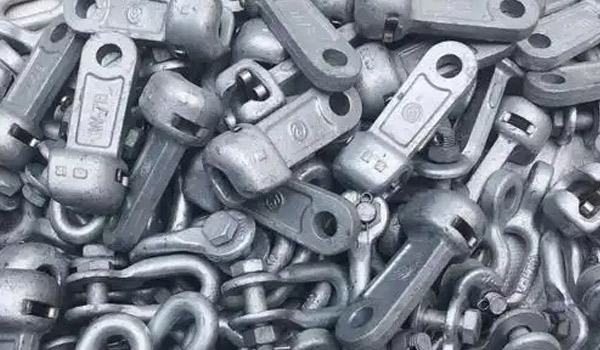
The main classification of power fittings can be divided from multiple perspectives. Here are some common classification methods:
Classified by function and structure:
Suspension clamp: used to suspend wire insulator strings (mostly used for straight towers) and to suspend jumper wires on insulator strings.
Tension clamp: also known as fastening hardware or wire clamp, used to fasten the terminal of a wire and fix it on a wire insulator string. It is also used for fixing lightning protection wire terminals and anchoring wires.
Connecting fittings: used for connecting insulators in series and connecting fittings to fittings.
Splicing fittings: specifically designed for connecting various bare wires and lightning conductors.
Contact fittings: used for connecting hard busbars, soft busbars, and electrical equipment's outgoing terminals, as well as for T-connections of wires and non load bearing parallel connections.
Fixed fittings: also known as power plant fittings or high current busbar fittings, used for fixing and connecting various hard or soft busbars and post insulators in power distribution equipment.
Classified by purpose:
Substation fittings: used for various equipment in substations.
Divided by power fittings product unit:
Malleable cast iron.
Forging and forging category.
Aluminum copper aluminum class.
Cast iron class.
Classified by national and non national standards:
National standard power fittings: comply with national standards.
Non national standard power fittings: not in compliance with national standards but widely used.
In addition, there are other classification methods, such as material classification, which can be divided into iron, copper, aluminum, etc. There are various types of power fittings, each with its specific purpose and performance requirements, to ensure the normal operation and safe stability of the power system.